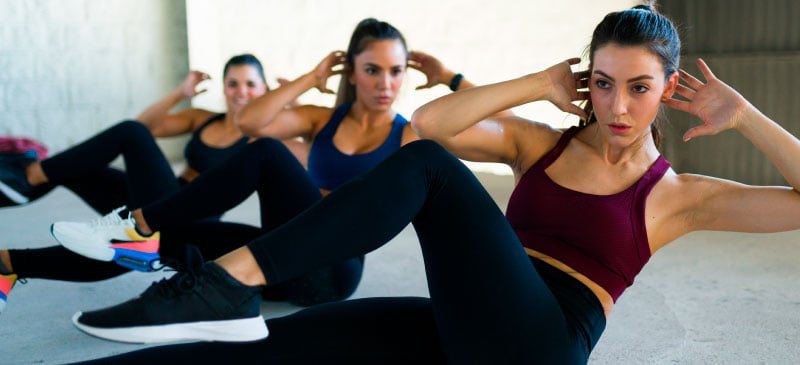
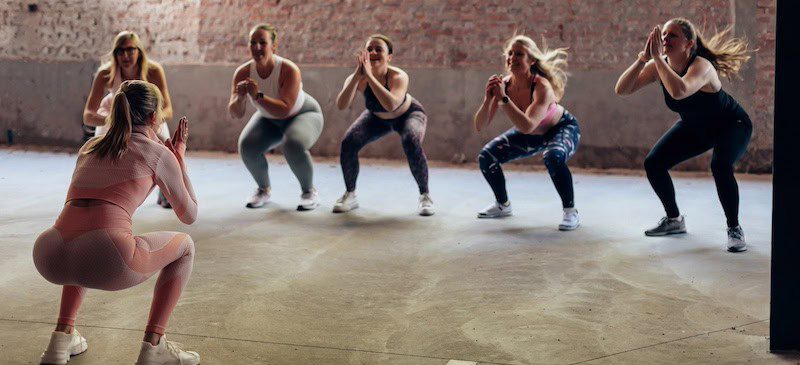
If you want to build strength faster, burn more calories and get more results in less time, compound exercises should be the foundation of your training program.
These multi-joint movements are widely used in athletic training, physical therapy and strength programs because they recruit multiple muscle groups at once, mimicking how the body naturally moves in everyday life.
Whether your goal is muscle growth, fat loss, improved mobility or overall health, compound workouts offer a highly efficient and evidence-backed approach to exercise.
This guide explains what compound exercises are, how they compare to isolation movements, their top health benefits, and the best compound exercises and workouts you can start using today.
What are compound exercises?
Compound exercises are strength or resistance movements that involve two or more joints and work multiple muscle groups simultaneously. Instead of isolating a single muscle, these exercises engage entire movement patterns, such as pushing, pulling, hinging, squatting and rotating.
For example, a squat doesn’t just target the quadriceps. It also activates the glutes, hamstrings, core, hip flexors, calves and stabilizing muscles throughout the body. This makes compound exercises highly effective for building functional strength and improving coordination.
Because compound movements demand more effort from the nervous system and musculature, they tend to stimulate greater muscle activation, higher calorie expenditure and stronger hormonal responses compared to single-joint exercises.
Compound vs. isolation exercises
The main difference between compound and isolation exercises is how many joints and muscles are involved.
Compound exercises:
- Use multiple joints
- Train several muscle groups at once
- Improve strength, balance and coordination
- Burn more calories per movement
- Closely resemble real-life movements
Isolation exercises:
- Use a single joint
- Focus on one muscle group
- Are helpful for muscle rehabilitation or aesthetic fine-tuning
Both types have a place in a balanced fitness routine, but compound exercises typically form the base of effective training programs. Isolation exercises are often added later to support muscle balance or address specific weaknesses.
Health benefits
Compound exercises provide a wide range of physical and metabolic benefits that extend beyond muscle building.
1. Support muscle growth and strength
Because they allow you to lift heavier loads and engage more muscle fibers, compound movements are especially effective for increasing total-body strength and lean muscle mass.
For example, an eight-week randomized trial in resistance-trained men using exercises like squats and bench press found significant improvements in one-repetition maximum strength and greater muscle hypertrophy when training volume was higher, demonstrating that compound movements can effectively stimulate muscle growth and strength adaptations in people performing consistent resistance training protocols.
In addition, a systematic review of resistance training interventions in healthy adults published in the International Journal of Environmental Research and Public Health reported that structured resistance training programs produce significant gains in muscle mass and improvements in strength measures, supporting the role of multi-joint resistance exercise in driving hypertrophy and strength increases.
2. Help improve metabolic health
These exercises raise heart rate and energy expenditure, helping improve insulin sensitivity, support healthy blood sugar levels and promote fat loss.
One meta-analysis of randomized, controlled trials involving middle-aged and older adults with type 2 diabetes found that resistance training significantly improved insulin sensitivity (reduced fasting glucose and HOMA-IR) and lowered HbA1c, while also modestly reducing body mass index and systemic inflammation, outcomes that reflect better metabolic regulation compared with controls.
Another large systematic review and meta-analysis of exercise interventions, including resistance training, demonstrated that combined aerobic and resistance exercise programs produced clinically meaningful improvements in metabolic markers, such as blood glucose and lipid profiles (e.g., lower triglycerides and improved HDL), strengthening evidence that resistance and compound exercises support overall metabolic health.
3. Can promote bone density
Weight-bearing compound exercises stimulate bone remodeling, which is particularly important for aging adults and those looking to reduce osteoporosis risk.
For instance, a randomized prospective study in previously inactive premenopausal women showed that regular resistance training including multi-joint weightlifting over 18 months significantly increased bone mineral density at the lumbar spine and femur trochanter compared with controls, indicating that compound load-bearing movements can enhance skeletal density in weight-bearing regions.
Additionally, a systematic review and meta-analysis of controlled trials published in the Journal of Orthopaedic Surgery and Research found that resistance training programs significantly improved bone mineral density at clinically relevant sites like the lumbar spine and femoral neck in postmenopausal women, suggesting that structured, high-intensity compound resistance exercise protocols benefit bone health across age groups.
4. Boost athletic performance
By improving coordination, power and stability across multiple joints, compound training supports speed, agility and functional movement patterns used in sports and daily activities.
In 2025, researchers evaluated the effects of an eight-week complex training intervention that included multi-joint resistance and plyometric exercises in adolescent long jumpers. They found that the intervention significantly increased one-repetition maximum squat strength, vertical jump height and reactive strength compared with traditional resistance training, indicating improved explosive performance in athletes.
Another study of young soccer players found that a compound training program combining strength and plyometric work improved change-of-direction ability and jump performance compared with sport-specific training alone, supporting the role of compound movements in boosting key athletic performance metrics.
5. Enhance intermuscular coordination
Compound exercises train multiple muscles to work together in a coordinated way, improving communication between muscle groups and the nervous system. This enhanced intermuscular coordination supports smoother, more efficient movement patterns that translate well to sports performance and daily activities.
In research published in the Journal of Sports Sciences, a gym-based strength program performed by track sprint cyclists over 12 weeks increased leg strength and power output, and this was accompanied by changes in muscle activity patterns, specifically altered contributions from key muscles like the biceps femoris. These results indicated adaptations in how muscles coordinated during maximal efforts.
Another experimental study using electromyographic signal-guided isometric training in healthy adults showed that targeted practice could expand the repertoire of available muscle synergies (patterns of coordinated activation), which led to improved neuromotor control of trained muscles. This demonstrated that coordinated muscle activation patterns can be modified with specific exercise training, including compound exercises.
6. Elevate heart rate
Since compound movements engage large muscle groups at once, they naturally increase heart rate more than isolation exercises. This cardiovascular demand supports heart health, calorie burning and improved aerobic capacity, especially when performed in circuits or higher-repetition sets.
In one controlled study measuring cardiovascular responses to different resistance exercises published in the International Journal of Exercise Science, participants performing bilateral (compound) movements, such as bilateral knee extensions, experienced significant increases in heart rate from rest after sets, with greater heart rate rises seen in larger compound actions compared with isolated movements.
Another randomized, controlled trial comparing set configurations in full-body resistance workouts relayed that traditional resistance training with multiple compound exercises produced higher peak heart rate during sessions, indicating that compound resistance work can substantially raise heart rate in healthy adults during exercise.
7. May extend flexibility
Many compound exercises move joints through a full range of motion, which can help maintain or improve flexibility over time. Movements like squats, lunges and deadlifts encourage hip, ankle and spinal mobility while strengthening muscles at lengthened positions.
A systematic review, meta-analysis and meta-regression of controlled resistance training interventions in healthy adults found that chronic resistance training programs significantly increased joint range of motion, indicating improved flexibility outcomes even without dedicated stretching routines. The magnitude of this effect was moderate across studies, supporting the idea that moving muscles and joints through full ranges during compound exercises can enhance flexibility.
In addition, a comparative study in previously sedentary adult women revealed that strength training alone involving multi-joint exercises increased flexibility measures on sit-and-reach tests and other goniometric assessments compared with baseline, suggesting that compound resistance work can contribute to greater flexibility over time.
8. Save time
Since multiple muscles are trained at once, compound workouts are ideal for busy schedules and can deliver full-body benefits in shorter sessions. Plus, they can burn more calories in a shorter period.
For example, a randomized, controlled trial found that minimal resistance training, including compound, multi-joint movements, can lead to a chronic increase in 24-hour energy expenditure, meaning participants burned more calories throughout the day compared with their baselines after six months of training. These results suggest that compound resistance exercise contributes to higher overall calorie use in previously sedentary adults.
Compound exercise examples
Compound movements can be grouped by movement pattern or primary muscle emphasis. Below are examples of some well-known compound exercises.
Upper-body compound exercises:
- Push-ups
- Bench press
- Overhead press
- Pull-ups
- Bent-over rows
Lower-body and compound leg exercises:
Compound back exercises:
- Pull-ups or chin-ups
- Rows (barbell, dumbbell or cable)
- Deadlifts
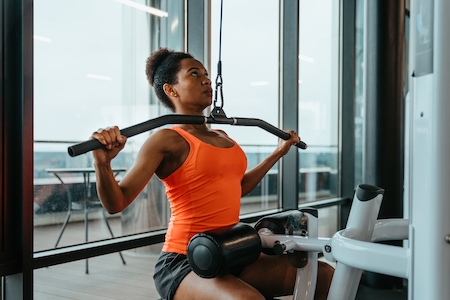
- Lat pulldowns
Full-body compound exercises:
- Clean and press
- Thrusters
- Kettlebell swings
- Burpees
Best compound exercise to try
If you’re building a program from scratch, these are often considered the best compound exercises due to their effectiveness and versatility:
- Squat: Builds lower-body strength and core stability
- Deadlift: Strengthens the posterior chain, including glutes, hamstrings, back and core
- Bench press: Targets chest, shoulders and triceps
- Overhead press: Develops shoulder strength and upper-body stability
- Pull-ups: Strengthen the back, arms and core
- Rows: Improve posture and back strength
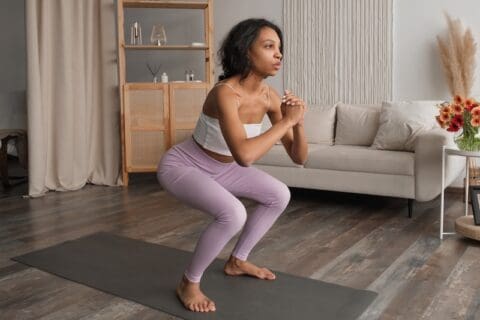
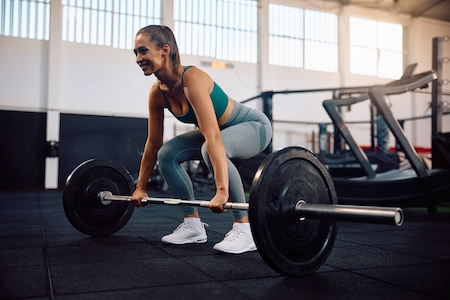



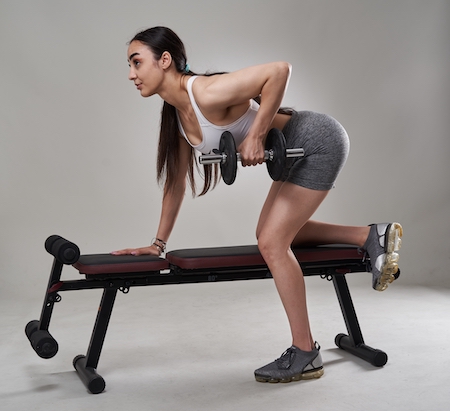
These exercises can be performed with barbells, dumbbells, resistance bands or body weight, making them adaptable to all fitness levels.
Sample compound workouts
Beginner full-body compound workout (two to three times per week)
Upper/lower compound split
Upper body
- Bench press
- Overhead press
- Pull-ups or lat pulldowns
- Rows

Lower body
- Squats
- Deadlifts
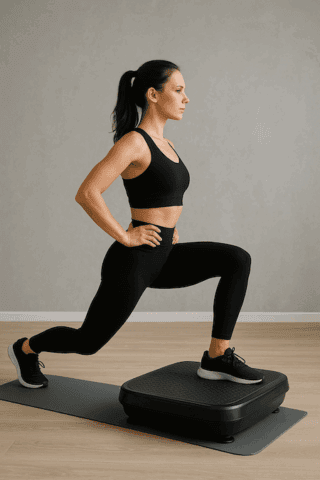
- Lunges
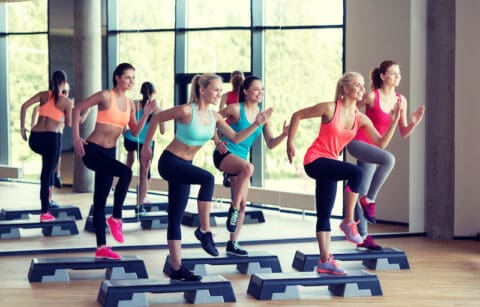
- Step-ups

Short compound circuit workout
Perform each exercise back to back with minimal rest, repeating the circuit three to four times:
Safety tips
To get the most from compound exercises while minimizing injury risk:
- Focus on proper form before increasing weight
- Warm up with dynamic movements and lighter sets
- Progress gradually, especially with heavy lifts
- Maintain core engagement and controlled breathing
- Allow adequate recovery between sessions
Working with a qualified trainer can be especially helpful when learning complex lifts, such as squats or deadlifts.
While compound exercises are generally safe, poor technique or excessive loading may increase the risk of joint strain, muscle pulls or lower back discomfort. Beginners or those with existing injuries should start with body-weight variations and consult a healthcare provider or fitness professional if pain occurs.
Frequently asked questions
What are compound exercises?
Compound exercises are movements that work multiple muscle groups and joints at the same time, such as squats, deadlifts and push-ups.
Are compound exercises better than isolation exercises?
They are generally more efficient for building overall strength, muscle mass and functional fitness, though isolation exercises can still play a supportive role.
Can compound workouts help with weight loss?
Yes. Compound workouts burn more calories and increase metabolic demand, which can support fat loss when paired with proper nutrition.
How often should I do compound exercises?
Most people benefit from performing compound exercises two to four times per week, depending on training goals and recovery.
Are compound leg exercises enough for lower-body training?
In many cases, yes. Exercises like squats and deadlifts effectively target the legs, glutes and supporting muscles.
How many compound exercises per workout?
Most workouts include three to six compound exercises, depending on training level, workout length and goals. Beginners often benefit from fewer movements with more focus on form, while advanced lifters may use more exercises across multiple movement patterns.
Should I do compound or isolation exercises first?
Compound exercises are typically performed first because they require more energy, coordination and strength. Isolation exercises are usually added afterward to target specific muscles or address imbalances once the major lifts are completed.
What are the big compound lifts?
The “big” compound lifts commonly refer to foundational strength movements such as the squat, deadlift, bench press, overhead press, and pull-up or row. These exercises form the backbone of many strength and athletic training programs.
What are the best compound exercises?
Some of the best compound exercises include squats, deadlifts, lunges, bench press, overhead press, rows, pull-ups and push-ups. The best choice depends on your goals, experience level and available equipment.
Conclusion
- Compound exercises are one of the most effective tools for improving strength, muscle mass, metabolic health and functional movement.
- By engaging multiple muscle groups in a single movement, they provide maximum results with minimal time investment.
- Whether you’re new to training or refining an advanced routine, building your workouts around compound movements can support long-term fitness, performance and overall health.
- If your goal is a stronger, leaner and more resilient body, compound exercises belong at the core of your workout plan.