The idea of a vibrating plate may seem novel, but it’s been developing for decades. The device is often called a vibration plate (or vibrating plate), and many fitness and wellness enthusiasts tout its benefits for strength, circulation, balance and more. So what are the real vibration plate benefits, and how much is hype vs. scientifically supported?
In this article we’ll cover:
- What vibrating plates are and how they work
- The spectrum of vibration plate benefits (what the evidence shows)
- Practical vibration plate exercises
- Risks and side effects
- Who should not use a vibrating plate
- And more
Whether you’re a fitness beginner, rehab patient or simply curious, this guide aims to give you a solid overview of whether a vibration plate might make sense for you and how to use it responsibly.
What are vibrating plates?
A vibration plate (also known as a vibrating plate) is a platform machine that oscillates or vibrates (either vertically, side-to-side or in a combination) while you stand, sit or perform exercises on it. These devices are sometimes called whole-body vibration platforms.
Mechanism of action
The core principle is that when you stand or exercise on the platform, the machine rapidly transmits vibrations through your body. Your muscles reflexively contract and relax in response to the oscillations.

That means your stabilizing muscles (and often deeper muscle fibers) can get recruited more intensely than they would on a fully stable surface.
Here are some key components of how it works:
- Frequency and amplitude. Typically, vibration plates operate in a frequency range of around 15-70 hertz (Hz) and amplitude of one to 10 millimeters (depending on machine type).
- Reflex muscle activation. The rapid vibration stimulates stretch reflexes and rapid muscle contractions, which may lead to increases in muscle activation and strength over time.
- Neuromuscular challenge. Because the surface is unstable (or vibrating), balance, postural control and stabilizing muscle groups are more engaged, potentially improving these functions.
- Metabolic cost. Some studies show that doing exercise on a vibrating plate increases oxygen consumption and energy expenditure compared to the same exercises on stable ground.
Types of vibrating plates
While many machines share the same basic idea, you’ll find differences, such as:
- Vertical (or synchronous) plates: The whole platform moves up and down.
- Side-alternating plates: One side rises while the other falls, simulating a walking gait.
- 3D/multidirectional plates: Combine vertical, horizontal and torsional vibrations.
These differences can affect how the body responds, but the fundamental “vibration plus muscle reflex” mechanism remains consistent.
Vibration plate benefits
If you’re evaluating whether a vibration plate is worth your time (and possibly investment), let’s look at what the research says about the benefits of vibration plate use.
1. Improved muscle strength and physical performance
One of the better-supported vibration plate benefits is improved muscle strength, especially in older adults or those with limited capacity. A systematic review and meta-analysis published in the European Review of Aging and Physical Activity found that whole-body vibration therapy significantly increased muscle strength and improved physical performance tests like the sit-to-stand and timed-up-and-go in older adults with sarcopenia.
In simpler terms, if your goal is to build or preserve muscle, especially if you’re older or less mobile, a vibrating plate may offer a helpful boost.
2. Increased metabolic cost and calorie burn
Using a vibrating plate can enhance the metabolic demands of exercise. For example, a study found that a 20-minute session with vibration increased oxygen consumption by about 22 percent and estimated energy expenditure about 20 percent compared to the same exercises without vibration.
That means a vibration plate can amplify the effect of your workout, though it’s not a substitute for solid exercise.
3. Balance, postural control and fall risk reduction
For populations such as older adults, frail individuals or those in rehab, the “neuromuscular challenge” of the vibrating plate helps engage stabilizing muscles and improve proprioception and balance. One review noted the value of whole-body vibration training for improving gait speed and balance in older adults.
Better balance means lower risk of falls, a major health benefit in aging populations.
4. Bone density support
While the evidence is less large, some research suggests vibration therapy may support bone health. For example, a fact sheet on vibration therapy and osteoporosis from the Royal Osteoporosis Society noted that lightly vibrating plates (10-20 minutes per day) may help offset bone loss (particularly in space travel analogues) through mechanical loading.
However, results vary, and vibration plates should not be relied on solely for bone density improvements.
5. Circulation, flexibility and recovery support
Practical vibration plate benefits reported include improved circulation, muscle recovery, improved joint mobility and greater flexibility when used consistently. For instance, a systematic review published in the Archives of Rehabilitation Research and Clinical Translation highlighted increased muscle strength/tone, better circulation, improved flexibility, bone density support and low-impact strength building as some of the top vibration plate benefits.
6. Cognitive function benefits
Emerging research has revealed possible benefits beyond purely muscular systems. A 2023 review, for instance, found that whole-body vibration may enhance certain cognitive functions in adults, though evidence is preliminary.

7. Reduced blood pressure
Regular use of a vibration plate may help lower blood pressure by improving vascular function and promoting better circulation. Some research suggests that whole-body vibration can lead to modest reductions in systolic and diastolic blood pressure, possibly due to improved endothelial function and enhanced nitric oxide production.
This effect may be most noticeable in individuals with mild hypertension when combined with a healthy lifestyle.
8. Lower back pain relief
Whole-body vibration has shown promise for reducing lower back pain in certain populations. The vibration stimulates muscles that stabilize the spine and can improve circulation to the lower back area, potentially easing tension and discomfort.
For people with chronic low-back pain or sedentary lifestyles, short, controlled sessions on a vibrating plate may complement stretching and core-strengthening programs.
9. Stress relief
Another overlooked benefit of vibration plate use is stress reduction. The rhythmic vibrations can promote relaxation by stimulating the parasympathetic nervous system, improving blood flow and reducing muscle tension.
Many users report feeling calmer and more energized after a brief session. While not a substitute for mindfulness or rest, vibration therapy can be a useful tool to support overall stress management and mental well-being.
The benefits of vibration plates are real, particularly as a supplement to a broader fitness or rehab program, but they are not magic. The mode works best when integrated into regular exercise, strength training and mobility work.
Vibration plate exercises
Here are some practical ways to use a vibration plate (or vibrating plate) to support your fitness or mobility goals. These exercises can help you maximize the vibration plate benefits described above.
Basic standing warm-up
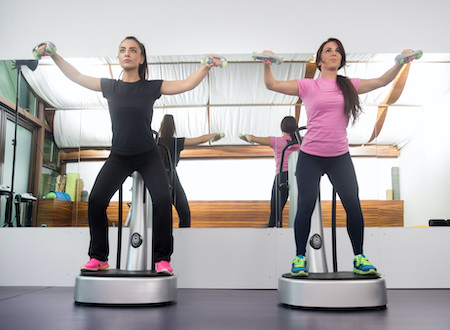
- Stand upright on the plate with knees slightly bent (about 10-20 degrees), feet hip-width apart.
- Set the vibration frequency to a moderate level. (Check your machine’s manual.)
- Stand for one to two minutes, focusing on maintaining good posture: shoulders back, core engaged, micro-bend in knees.
- This activates stabilizer muscles and warms up your body.
Squat variations
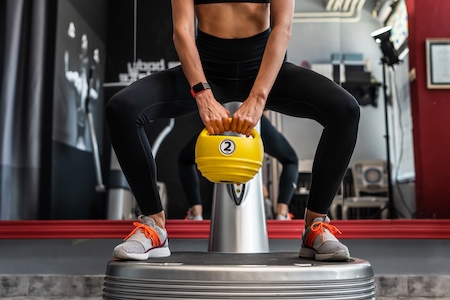
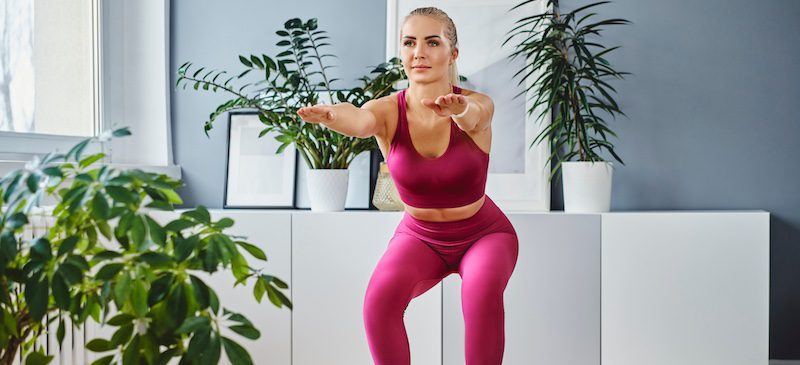
- Position as above, then perform squats while on the vibrating plate: feet hip-width, lower into a squat keeping chest up, then return.
- Because of the vibration, your muscles will reflexively contract more, so you may feel more challenge with fewer reps.
- Recommended: two to three sets of eight to 12 reps, one to two times per week.
Push-up/plank holds
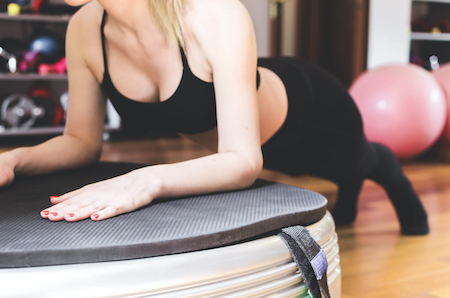
- Place hands on the vibration plate (if safe and stable) or feet on the plate for increased challenge.
- For plank: Hold the body in a straight line from head to heels, core tight, while the plate vibrates underneath.
- For push-ups: Perform standard or modified push-ups with plates vibrating beneath your hands or feet.
- Start with 30-60 seconds holds or six to 10 reps.
Lunge or split-stance variations
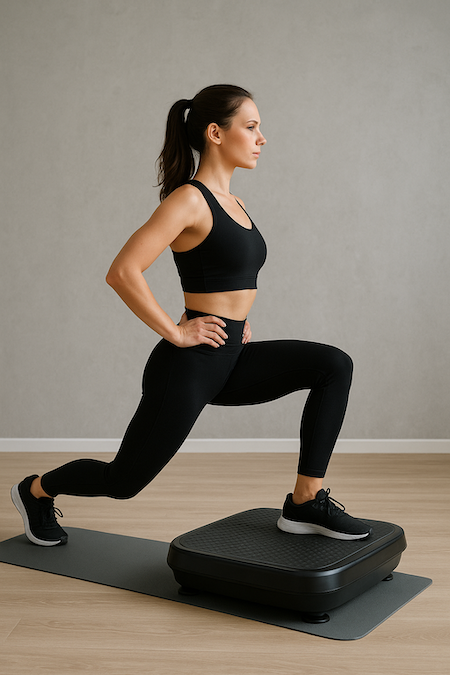
- Place one foot on the vibrating plate and one foot on the ground behind you (split stance).
- Perform forward or reverse lunges, or simply hold the position for balance/stability training.
- This variation further engages neuromuscular control and balance.
Calf raises or heel raises
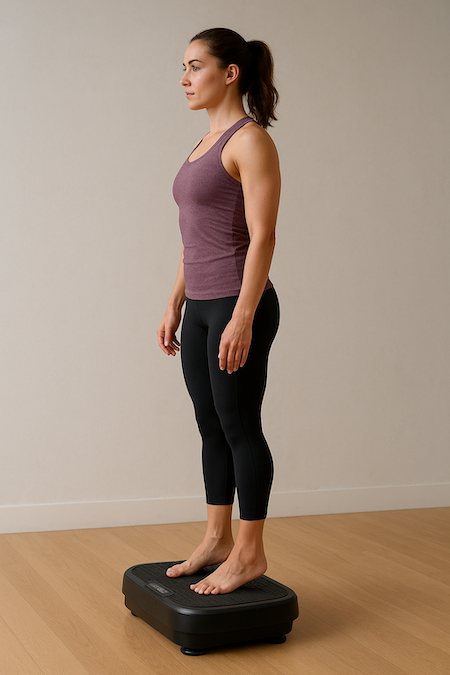
- Stand on the plate with balls of your feet on the surface, heels off.
- Rise onto the toes (calf raise) slowly, hold briefly, then lower. The vibration will make this more intense.
- Do two to three sets of 10-15 reps for lower-leg strength and stability.
Recovery and stretching

- Some machines allow lower frequency vibration. Stand or sit (with feet on plate) for one to two minutes as a warm down or recovery phase.
- Follow with gentle stretching while the plate is off to benefit from increased circulation from the session.
Tips for best use
- Frequency: Start at a lower frequency (15-30 Hz) and amplitude, and increase gradually as you get comfortable.
- Duration: Sessions of 10-20 minutes, two to three times per week are sufficient for many users.
- Safety first: Always keep knees slightly bent, avoid locking joints and maintain good posture.
- Combine with traditional exercise: A vibrating plate is a supplement, not a replacement for strength training, cardio and mobility work.
- Consult a professional: If you have pre-existing conditions (see next section), get clearance before using.
Risks and side effects
Like any fitness tool, the vibrating plate comes with potential risks and side effects, especially if misused.
Vibration exposure concerns
Although vibration in fitness settings is controlled, prolonged or high-intensity whole-body vibration has been associated with joint stress, back problems, and vascular or neurological issues (particularly in occupational exposures).
Specific risks
- Joint or spine problems: If you already have unstable joints, herniated discs or spinal issues, vibrating platforms may exacerbate discomfort or stress.
- Circulatory issues: The rapid muscle stimulation and vibration may affect blood flow. For certain cardiovascular conditions caution is required.
- Implant devices or pacemakers: Vibration may interfere with certain implants or pose risk. Consult a physician if this applies to you.
- Pregnancy: The effects of whole-body vibration during pregnancy have not been fully studied. Many experts advise avoidance.
- Neurological conditions: Conditions like epilepsy, severe vertigo or balance disorders may be worsened by vibration instability.
- Poor-quality machines: Some vibration plates may deliver unsafe levels or improper vibration frequencies. Choose reputable equipment, and follow manufacturer guidelines.
Other potential side effects
- Temporary muscle soreness: Because more stabilizer muscles are recruited, you may feel extra soreness the next day.
- Mild dizziness or balance challenge: Especially if you’re new to the vibration stimulus, always hold on to a support if needed.
- Headache or neck discomfort: If vibration is transmitted upward through the spine, it can lead to issues in the heck and head. Keeping knees slightly bent helps mitigate this.
Mitigating risk
- Start slow: Lower frequency, shorter time, simple exercises.
- Maintain proper form: Don’t lock joints, keep slight bend, engage core.
- Use a high-quality machine: Ensure machine is stable, capable of safe amplitude/frequency.
- Consult your doctor: Especially if you have any of the contraindications (see next section).
- Combine with rest and recovery: Don’t overuse it. It’s a tool, not a replacement for full training and rest.
Who should not use a vibrating plate?
While many people can safely use a vibrating plate with proper guidance, there are groups for whom caution or avoidance is advised:
- Pregnant women (unless cleared by a qualified professional)
- Individuals with recent surgery or implants (e.g., joint replacements) unless advised otherwise
- People with uncontrolled cardiovascular conditions (e.g., recent heart attack, unstable blood pressure)
- Those with epilepsy or seizure disorders (vibration could trigger)
- Individuals with severe osteoporosis or vertebral fractures (unless under physician supervision)
- People with pacemakers or other implanted electrical devices (check manufacturer/doctor guidance)
- Persons with significant vertigo or balance disorders (may increase risk of fall)
- Users of poor-quality machines without established safety/frequency controls
If you fall into any of the above categories, it’s wise to consult your physician or a qualified physical therapist before using a vibrating plate.
Frequently asked questions
Do vibration plates actually work?
Yes, research shows that vibration plates can improve muscle strength, balance and circulation while modestly enhancing calorie burn. They’re not a miracle device, but when combined with exercise and proper nutrition, they can meaningfully support fitness and wellness goals.
What does a vibration plate do to your body?
A vibration plate sends rapid oscillations through your body, causing muscles to contract and relax dozens of times per second. This helps strengthen muscles, improve blood flow, support flexibility and engage stabilizing muscle groups.
What do 10 minutes on a vibration plate do?
Just 10 minutes of standing or performing exercises on a vibration plate can activate multiple muscle groups, enhance circulation and gently stimulate your metabolism. It’s an efficient way to add intensity to a short workout or warm-up routine.
What are the negatives of vibration plates?
Potential downsides include temporary muscle soreness, dizziness or joint discomfort if used improperly. Overuse or using very high frequencies may strain the spine or joints. People with pacemakers, implants or certain health conditions should consult a doctor before use.
What does 30 minutes on a vibration plate do?
A 30-minute session can help improve strength, balance and flexibility while promoting relaxation and circulation. However, sessions of 10-20 minutes are usually sufficient. Longer times don’t necessarily provide more benefit and may cause fatigue if overdone.
Are vibration plates safe?
When used properly, most vibration plates are safe for healthy adults. The key is moderation and proper form. Individuals with cardiovascular issues, implants or certain medical conditions should seek medical advice before using one.
Are vibration plates worthwhile for weight loss?
They can help mildly. Studies show that vibrating plates increase metabolic cost of exercise, which may support calorie burn.
However, vibration plates are not a magic weight loss tool. Healthy diet and regular exercise remain primary.
Does vibration plate use replace strength training?
No. While vibration plates can enhance muscle activation and strength (especially in older adults), they work best as a supplement rather than a full replacement for resistance training.
How often should I use one?
For many people, two to three sessions per week of 10-20 minutes each is adequate. More is possible, but ensure proper recovery.
Can I just stand and let the machine do the work?
Standing alone does provide a stimulus (reflex muscle activation), but you’ll get more benefit by doing exercises (squats, lunges, planks) on the plate. The “active” use amplifies the benefit.
What frequency and amplitude should I use?
Start low, around 15-30 Hz frequency, and low amplitude. Increase gradually as you get comfortable and have stable form. Always follow manufacturer instructions.
Is there research support for vibration plates?
Yes, there are multiple studies that show vibration plate benefits for muscle strength, balance and metabolic rate. For example:
- A meta-analysis showing muscle strength increases in older adults.
- A study showing 22 percent higher oxygen consumption when exercising with vibration vs without.
- A review acknowledging improved muscle strength and weight loss support but noting more research needed.
Are the benefits big or small?
They tend to be moderate. Many studies show benefit, but often in specific populations (older adults, rehab).
Some users may notice noticeable change, and others less so. It’s more “added boost” than “miracle machine.”
Conclusion
- The vibrating plate (or vibration plate) is a compelling tool in the fitness or rehab toolbox.
- When used correctly, vibration plate benefits potentially include enhanced muscle strength, increased metabolic cost of exercise, improved balance and postural control, and potential support for bone and circulation health.
- However, it works best when integrated into a broader exercise plan that includes strength training, mobility and cardio workouts.
- It’s not a substitute for fundamental healthy behaviors, including eating a healthy diet, getting adequate sleep and making sure you engage in daily movement.
- Proper usage, form, machine quality and individual health status matter greatly when it comes to obtaining vibration plate benefits.
- Some populations should proceed with caution or under supervision, including those with balance issues and certain health conditions.
- If you’re healthy enough and looking for a low-impact way to enhance your workout or build stability, a vibration plate may be worth trying. Use it smartly, listen to your body and pair it with other forms of movement.